Workplace Anxiety Test: Signs & Management Strategies
Do you feel a sense of dread every Sunday night before the work week begins? Do your palms sweat before a simple team meeting, or do you find yourself overthinking every email you send? If these feelings sound familiar, you are not alone. Millions of professionals deal with workplace-related stress every day. However, for many, it goes beyond simple pressure. It often turns into workplace anxiety, a condition that can affect your health, your happiness, and your career growth.
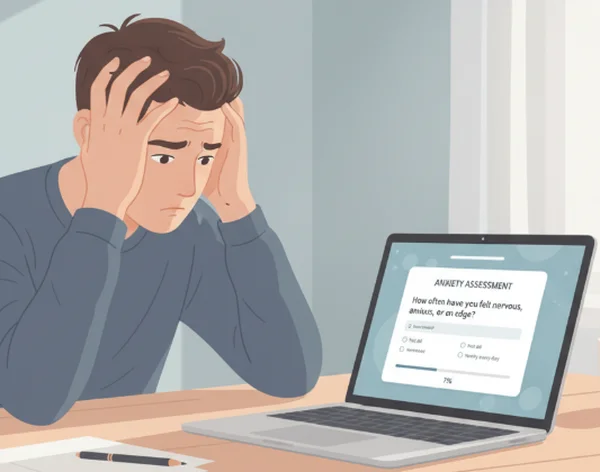
Differentiating between normal job stress and clinical anxiety is essential. It is the first step toward feeling better. Are you struggling with workplace anxiety? Identifying the symptoms early can prevent burnout and help you regain control of your professional life. To get a clear picture of where you stand, you can start your test today. Our tool provides instant, confidential insights based on scientifically validated scales.
Throughout this article, we'll unpack the telltale signs that your work stress might actually be anxiety, pinpoint what's triggering these feelings, and equip you with practical strategies to regain control. By the end of this guide, you will have a better understanding of your mental well-being. This will allow you to move forward with confidence.
Recognizing Workplace Anxiety Signs
Workplace anxiety often hides behind the mask of "being a hard worker" or "having a busy schedule." However, when anxiety becomes a constant companion at the office, it starts to leave visible marks. Recognizing these signs is crucial. Ignored anxiety rarely disappears on its own; it usually grows.
Physical Symptoms of Work-Related Anxiety
Anxiety is not just "all in your head." It has a profound impact on your body. When you feel anxious about a deadline or a presentation, your body enters a "fight or flight" mode. This releases hormones like cortisol and adrenaline. While these are helpful in short bursts, staying in this state all day at a desk is exhausting.
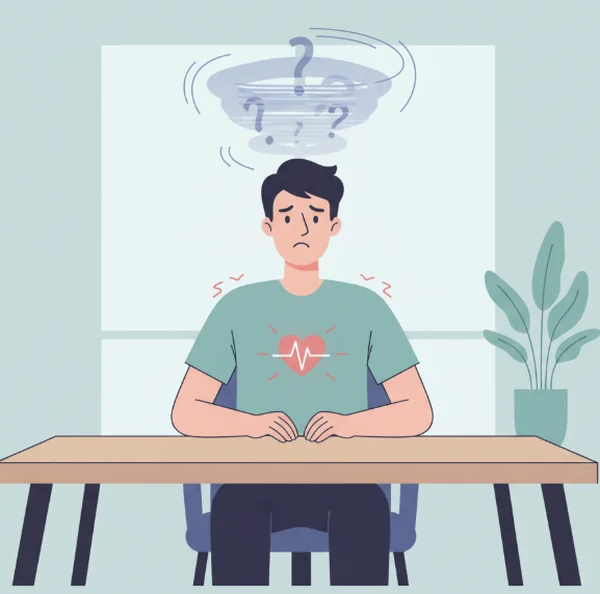
Common physical symptoms include chronic fatigue, even if you slept well. You might experience frequent headaches or muscle tension in your shoulders and neck. Some people suffer from digestive issues like an upset stomach. You may notice a racing heart or shortness of breath when you walk into your office building. These cues often happen the moment you log onto your computer. If you are experiencing these physical signs, it might be time to take a free anxiety test to see how your body is reacting to professional pressure.
Emotional and Cognitive Signs of Professional Anxiety
Beyond the physical sensations, workplace anxiety changes how you think and feel. One of the most common cognitive signs is "brain fog" or difficulty concentrating. You might find yourself staring at the same paragraph for ten minutes. This happens because your mind is racing with "what if" scenarios.
Emotionally, you might feel unusually irritable or snappy with coworkers. You may experience a constant sense of impending doom. Many people fear they will be fired or criticized, even when their performance is objectively good. Procrastination is also a major sign. You avoid tasks because the anxiety associated with them feels overwhelming. If you find yourself constantly doubting your abilities, you may be dealing with professional anxiety that requires attention.
Understanding Workplace Anxiety Triggers
To manage anxiety effectively, you must understand what sets it off. Triggers can vary from person to person. In a professional environment, they often fall into a few specific categories. Identifying your specific triggers helps you create a targeted plan for relief.
Performance Pressure and Perfectionism
For many high achievers, the biggest trigger is the need to be perfect. Perfectionism is often a shield used to protect against the fear of failure. If you believe that making one mistake will ruin your reputation, every task becomes a high-stakes gamble. This creates a cycle of intense anxiety and exhaustion.
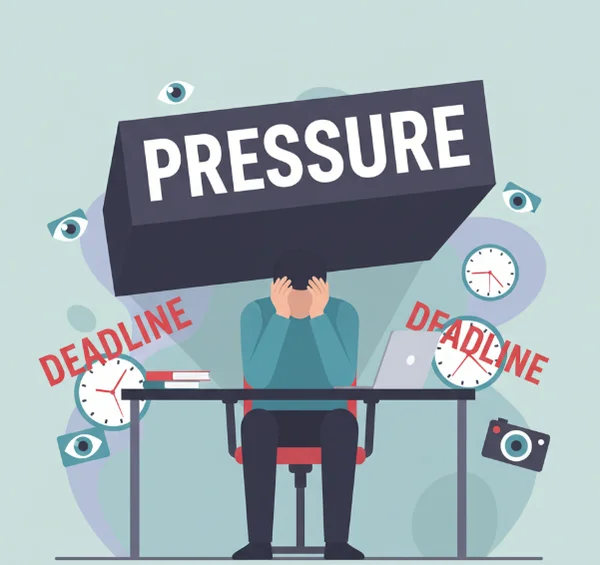
Performance reviews, public speaking, and tight deadlines are classic triggers. You may feel that your entire value as a person depends on your job performance. When this happens, the pressure becomes unbearable. This type of anxiety is often called "high-functioning anxiety." You look successful on the outside, but you are struggling on the inside. You can take the test to see if your drive for perfection is actually fueling an underlying anxiety disorder.
Workplace Relationships and Social Dynamics
The office is a social ecosystem. These social dynamics can be a significant source of stress. Fear of negative evaluation by colleagues or supervisors is a common trigger. This often leads to social anxiety in the workplace. You might worry about speaking up in meetings or eating in the breakroom. Even simple small talk can feel daunting.
Toxic work environments and office politics can also trigger chronic anxiety. Sometimes, the issue is a hyper-critical boss. If you feel like you are constantly "walking on eggshells," your nervous system stays on high alert. Understanding the source of your anxiety is key. You must determine if it is caused by the environment or your internal reaction to it. This is a vital step in professional anxiety management.
Practical Strategies for Managing Workplace Anxiety
Once you recognize the signs and triggers, the next step is taking action. Management strategies fall into two categories. There are immediate techniques for acute moments of stress. There are also long-term lifestyle changes for sustainable relief.
Immediate Techniques to Calm Work Anxiety
When you feel a panic attack coming on, you need tools that work instantly. One effective method is the 333 Rule. Look around and name three things you see and three sounds you hear. Then, move three parts of your body. This grounds you in the present moment. It pulls your focus away from anxious thoughts.
Deep breathing is another powerful tool. Try "box breathing" to reset your system. Inhale for four seconds, hold for four, exhale for four, and hold for four. This sends a signal to your brain that you are safe. It effectively lowers your heart rate. If you feel overwhelmed at your desk, step away for a five-minute walk. To better understand which techniques might work best for you, taking an anxiety level test can provide a baseline for your current state.
Long-Term Career Stress Relief Approaches
Managing anxiety for the long haul requires changing how you interact with your work. Setting clear boundaries is essential. This means turning off work notifications after hours. You must also learn how to say "no" when your plate is too full. Without boundaries, work bleeds into your personal life. This leaves you no time to recover.
Communication is also vital. If you have a supportive manager, discuss your workload. Seeking clarification on expectations can reduce uncertainty. Uncertainty is a major fuel for anxiety. Additionally, prioritize your physical health. Focus on regular exercise, a balanced diet, and consistent sleep. A healthy body is more resilient to the physiological effects of stress. Remember, these strategies are most effective when you have a clear understanding of your symptoms. Use an online anxiety test to track your progress as you implement these changes.
Your Next Steps in Managing Workplace Anxiety
Workplace anxiety is a challenge, but it does not have to define your career. By recognizing the physical and emotional signs, you can start to heal. Identifying your triggers and using management strategies will help you find a healthier balance. You deserve to feel confident and calm while pursuing your professional goals.
Your journey begins with self-awareness – recognizing and acknowledging your feelings without judgment. Understanding your "score" provides the language you need to articulate your experience to others. This is helpful whether you're talking to a friend, doctor, or therapist. We invite you to see your results by taking our free, confidential test. It takes less than three minutes and provides a personalized AI report. This report helps you understand your unique challenges and strengths. Don't let anxiety hold you back—start your journey toward a calmer career today.
The Takeaway
What is a workplace anxiety test and how does it work?
A workplace anxiety test is a screening tool. It is designed to measure the frequency and severity of anxiety symptoms in a professional context. Most reputable tests use scientifically backed scales like the GAD-7. You answer a series of questions about your feelings over the last two weeks. The tool then provides a score that indicates whether your anxiety levels are low, moderate, or high. You can check your score for free and get an AI-generated report for deeper insights.
Can workplace anxiety affect my job performance?
Yes, anxiety can significantly impact job performance. It often leads to procrastination and difficulty making decisions. You may notice decreased productivity due to "brain fog." It can also affect your professional relationships. It might make you irritable or cause you to avoid social interactions. However, many people with workplace anxiety are "high-functioning." This means they still perform well, but they do so at a great personal cost to their mental health.
When should I seek professional help for work anxiety?
You should consider seeking help if your anxiety is persistent. Professional intervention is recommended if it causes significant distress or interferes with your daily life. Seek help if you are unable to sleep or experience regular panic attacks. Some people use unhealthy coping mechanisms, like alcohol, to deal with work stress. A screening tool is a great way to prepare for a conversation with a professional.
How can I tell if my anxiety is normal workplace stress or something more serious?
Normal stress is usually tied to a specific event, like a big deadline. It usually disappears once the event is over. Workplace anxiety is often chronic. It persists even when there is no immediate "threat." If you feel anxious on your days off, it may be more than just stress. Constant worry about things that haven't happened yet is another indicator. Taking an anxiety test can help you distinguish between the two.
What resources are available for managing workplace anxiety?
There are many resources available for support. These range from self-help books to mindfulness apps like Calm or Headspace. Professional therapy, such as Cognitive Behavioral Therapy (CBT), is also highly effective. Many employers offer Employee Assistance Programs (EAPs) with free counseling sessions. Starting with an online assessment is a fast and private way to begin exploring these resources.