The Ultimate Anxiety Test Guide: Symptoms, Types, & Self-Assessment
Are you constantly worrying, feeling restless, or struggling to quiet your mind? Anxiety is a natural human emotion, but when it becomes persistent and overwhelming, it can significantly impact your life. Many people find themselves wondering, Do I have anxiety or am I just stressed? This ultimate guide will demystify anxiety, exploring its common symptoms, various types, and how a confidential anxiety test can be a valuable first step in understanding your experiences. Taking a moment for self-reflection is a powerful act, and tools are available to help you start that journey today.
What is Anxiety? Understanding the Basics
Before we dive into symptoms and types, it's essential to grasp what anxiety truly is. It's a term we hear often, but its meaning can sometimes feel vague or confused with everyday stress. Understanding the distinction is the first step toward clarity and empowerment.
More Than Just Stress: Defining Anxiety
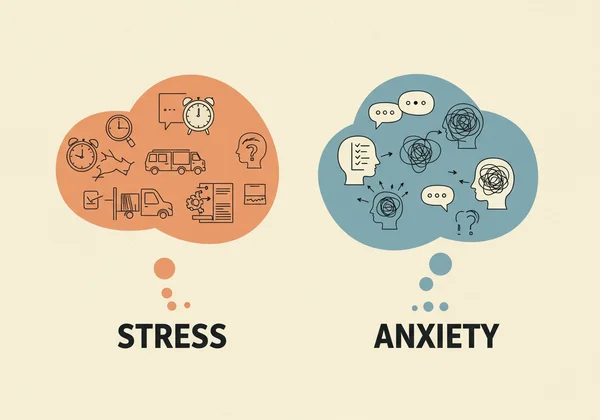
Stress is typically a response to an external trigger, like a looming deadline at work or a traffic jam. It's often short-term and subsides once the situation is resolved. Anxiety, on the other hand, is more internal. It’s a persistent feeling of apprehension or dread that can linger even without an obvious trigger. While stress is about the present pressure, anxiety often involves excessive worry about the future. It's the difference between saying "I'm stressed about this presentation" and "I'm anxious about every presentation I might have to give for the rest of my career."
The Brain Science Behind Your Worries
At its core, anxiety is linked to your brain's natural "fight-or-flight" response. This system is designed to protect you from danger by releasing hormones like adrenaline, which prepares your body to react. In people experiencing chronic anxiety, this alarm system can become overly sensitive, triggering even when there is no real threat. This constant state of high alert is what leads to the draining physical and emotional symptoms that so many people feel. Recognizing this biological basis helps remove self-blame and frames anxiety as a manageable condition, not a personal failing.
Common Anxiety Symptoms: Physical, Emotional, & Cognitive Signs
Anxiety doesn't just live in your head; it manifests throughout your entire body. Recognizing the signs is crucial for understanding what you're going through. These symptoms often cluster together, creating a pattern that can feel difficult to break.
Physical Manifestations of Anxiety
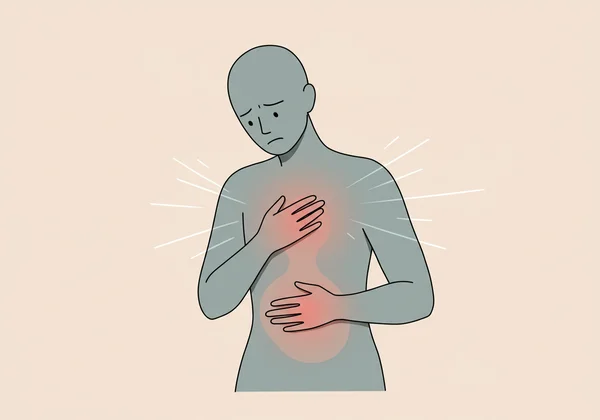
Your body often keeps the score when it comes to anxiety. Many people first notice something is wrong through physical sensations before they can even label the feeling as "anxiety." These signals are your body's way of responding to that overactive fight-or-flight system.
Common physical signs include:
- A racing heart or heart palpitations
- Shortness of breath or a feeling of tightness in your chest
- Dizziness or lightheadedness
- Stomach problems, like nausea or indigestion
- Muscle tension, particularly in the neck and shoulders
- Trembling or shaking
- Feeling constantly tired or fatigued
Emotional & Cognitive Indicators to Watch For
Beyond the physical, anxiety profoundly impacts your thoughts and feelings. These cognitive and emotional symptoms are often the most disruptive, affecting your work, relationships, and overall quality of life. They can create a feedback loop where worried thoughts fuel anxious feelings, which in turn create more worried thoughts.
Key indicators include:
- Persistent, excessive worry that is difficult to control
- A sense of impending doom or danger
- Irritability or feeling "on edge"
- Difficulty concentrating or feeling like your mind has gone blank
- Restlessness and an inability to relax
- Trouble falling or staying asleep due to racing thoughts
Exploring Different Types of Anxiety Disorders
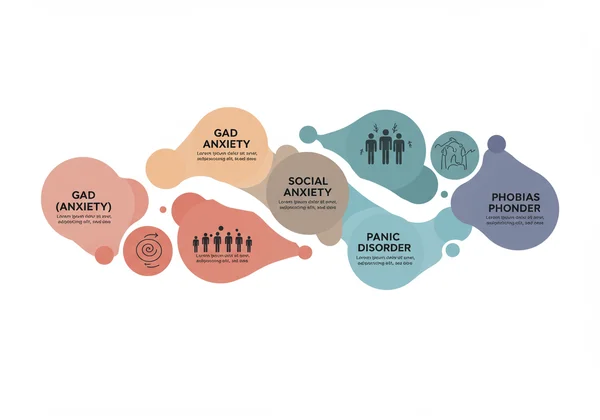
Anxiety is not a one-size-fits-all experience. It exists on a spectrum and can be categorized into several distinct disorders, each with its own unique set of triggers and symptoms. Understanding these types can help you pinpoint your specific challenges.
Generalized Anxiety Disorder (GAD): Persistent Worry
Generalized Anxiety Disorder (GAD) is characterized by chronic and exaggerated worry about everyday life. People with GAD may obsess over health, money, family, or work, even when there are no signs of trouble. This worry is often disproportionate to the actual situation and feels impossible to control. The GAD-7 scale, a scientifically validated screening tool, is often used to measure the severity of these symptoms, and it forms the basis of many reliable online assessments like the free anxiety quiz offered on our site.
Social Anxiety, Panic Disorder, & Other Forms
While GAD is widespread, other forms of anxiety are also common. Social Anxiety Disorder involves an intense fear of being judged or scrutinized in social situations. Panic Disorder is marked by sudden, repeated episodes of intense fear known as panic attacks. Other types include phobias (intense fear of a specific object or situation) and separation anxiety. Each of these conditions has distinct features, but they all share the core element of excessive fear and worry that disrupts daily functioning.
The Role of Anxiety Tests in Self-Understanding
With all this information, you might be wondering, "How can I make sense of my own feelings?" This is where self-assessment tools play a crucial role. An online anxiety test can serve as a confidential, accessible starting point for gaining objective insight into your mental state.
How Online Anxiety Tests Work
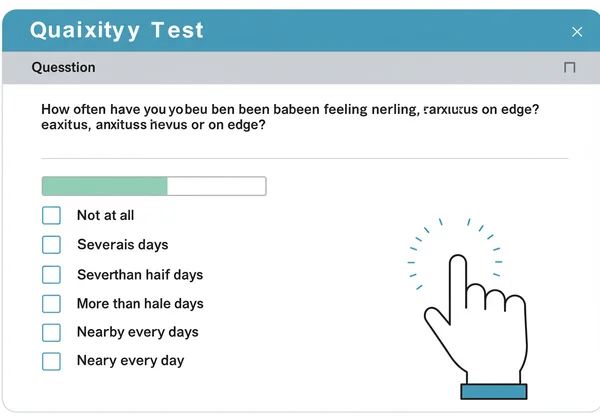
Reputable online tests are not random quizzes; they are based on clinical screening tools used by healthcare professionals. For example, our online anxiety test utilizes the GAD-7 scale to provide you with a score that reflects your anxiety levels over the past two weeks. The process is simple, completely anonymous, and takes less than three minutes. After answering the questions, you receive an instant score and interpretation. You also have the option to receive a unique, AI-powered personalized report that offers deeper insights into your personal strengths and challenges, providing a valuable confidential assessment.
Interpreting Your Anxiety Score
Receiving your anxiety score is not a diagnosis, but rather a snapshot of your current state. Scores are typically categorized into minimal, mild, moderate, or severe anxiety. A higher score suggests that your symptoms may be significantly impacting your life and could warrant further attention. The purpose of this score is to empower you with data. It transforms a vague feeling of "I'm not okay" into a measurable result that you can use for self-reflection or as a starting point for a conversation with a trusted friend, family member, or healthcare professional. Discover your results and take the first step toward understanding.
Overview of Anxiety Management & Treatment Options
Understanding your anxiety is the first step; learning to manage it is the next. The good news is that there are many effective strategies and treatments available, ranging from simple lifestyle adjustments to professional therapy.
Immediate Coping Strategies & Lifestyle Changes
When you feel anxiety rising, having immediate techniques can make a huge difference. Grounding techniques like the "5-4-3-2-1" method (naming five things you see, four you can touch, etc.) can pull you out of a spiral of worry. Simple deep breathing exercises can calm your nervous system in minutes. Long-term, lifestyle changes like regular exercise, a balanced diet, and consistent sleep are powerful tools for building resilience against anxiety.
When to Seek Professional Support
Self-help strategies are fantastic, but sometimes professional support is necessary, and seeking it is a sign of strength. If your anxiety is persistent, severe, and interferes with your ability to function, it's time to consult a professional. Therapists can offer treatments like Cognitive Behavioral Therapy (CBT), which is highly effective for anxiety. A doctor can also rule out any underlying medical conditions and discuss other treatment options if needed. Remember, the results from an online anxiety test can be an excellent way to organize your thoughts before such a conversation.
Disclaimer: This article is for informational purposes only and does not constitute medical advice. Our test is a screening tool, not a diagnostic instrument. Please consult a qualified healthcare professional for any health concerns.
Your Path Forward: Understanding and Managing Anxiety
Navigating the world of anxiety can feel isolating, but you are not alone. By understanding its definition, recognizing its symptoms, and knowing the different types, you can begin to reclaim your power. Tools like a scientifically-based anxiety test provide a private, pressure-free way to gain clarity and start a journey of self-discovery. Knowledge is the first and most critical step toward managing anxiety and living a fuller, more peaceful life.
Ready to gain instant, confidential insights into your anxiety? Take our free test now and unlock your personalized AI-driven report to begin your path to wellness.
Your Questions About Anxiety & Self-Assessment Answered
Do I have anxiety or am I just stressed?
Stress is usually a short-term reaction to a specific external pressure, while anxiety is a more persistent, internal feeling of worry that can exist without a clear trigger. If your feelings of worry are chronic, hard to control, and affect multiple areas of your life, it might be more than just stress.
How accurate is an online anxiety test?
The accuracy of an online anxiety test depends entirely on its scientific basis. A test like our GAD-7 based assessment, which is based on the clinically validated GAD-7 scale, can provide a highly reliable snapshot of your symptom severity. While not a formal diagnosis, it's an accurate screening tool that can help you decide on the next steps.
What are the 5 signs of anxiety?
While anxiety manifests differently for everyone, five common signs are: 1) Excessive and uncontrollable worry, 2) Physical symptoms like a racing heart or muscle tension, 3) Feeling restless or "on edge," 4) Difficulty concentrating, and 5) Sleep disturbances (trouble falling or staying asleep).
What should I do if my anxiety score is high?
A high score is a signal to pay closer attention to your mental health. It doesn't need to be a cause for alarm, but rather a call to action. Consider it a prompt to explore coping strategies, make positive lifestyle changes, and think about speaking with a healthcare professional for guidance. You can use your anxiety test results as a helpful reference point for that conversation.