Teen Anxiety Test & Support: Spot Symptoms and Provide Help
Navigating the teenage years can feel like a rollercoaster for both teens and their parents. It's a time of immense change, pressure, and self-discovery. While mood swings and stress are normal parts of this journey, persistent worry and fear can signal something more. As a parent, your biggest concern is your child's well-being. Are you worried your teenager is struggling with more than just typical adolescent angst? Understanding the landscape of anxiety in teens is the first step toward providing the support they need. This guide will help you recognize the signs, understand the triggers, and discover effective ways to help, starting with a simple conversation and a safe place to explore their feelings.

Recognizing Teen Anxiety Symptoms
Anxiety in teenagers doesn't always look like it does in adults. It can be masked by anger, irritability, or withdrawal, making it difficult to spot. By paying close attention to changes in their emotional state, behavior, and physical health, you can gain a clearer picture.
Emotional & Behavioral Signs to Watch For
One of the most common mistakes is dismissing significant behavioral shifts as "just being a teenager." While some moodiness is expected, a consistent pattern of certain behaviors can indicate an underlying struggle. Look for emotional signs such as excessive worrying about everyday things, feeling on edge, or having difficulty concentrating.
Behavioral changes might include:
- Avoidance: Suddenly avoiding social situations, school, or activities they once enjoyed.
- Irritability and Anger: Frequent angry outbursts or a short temper that seems disproportionate to the situation.
- Perfectionism: An intense fear of making mistakes, leading to hours spent on homework or avoiding new challenges altogether.
- Changes in School Performance: A sudden drop in grades or receiving feedback about being disengaged in class.
- Seeking Reassurance: Constantly asking "What if?" questions or needing validation that everything will be okay.
Physical Manifestations of Teen Anxiety
The mind-body connection is incredibly strong. Often, the first signs of anxiety appear as physical complaints that seem to have no medical cause. If your teen frequently mentions these issues, it's worth considering anxiety as a potential root cause.
Common physical manifestations include:
- Frequent headaches or migraines.
- Stomachaches, nausea, or other digestive issues.
- Unexplained aches and pains, particularly in the neck and back.
- Feeling tired all the time, despite getting enough sleep.
- Difficulty falling asleep, staying asleep, or experiencing nightmares.
- A racing heart, shortness of breath, or shakiness, sometimes escalating into a panic attack.
Common Triggers & Contributing Factors
Understanding what fuels your teen's anxiety can help you address the source of their distress. Today's teenagers face a unique set of pressures that can feel overwhelming. Acknowledging these challenges is key to fostering empathy and finding solutions.
The Pressure Cooker: Academic Stress & Expectations
The pressure to succeed academically is more intense than ever. Teens are often juggling demanding coursework, extracurricular activities, standardized tests, and the looming stress of college applications. This constant drive to perform can create a chronic state of anxiety, where they feel their self-worth is tied directly to their achievements.
Navigating the Digital World: Social Media & Peer Dynamics
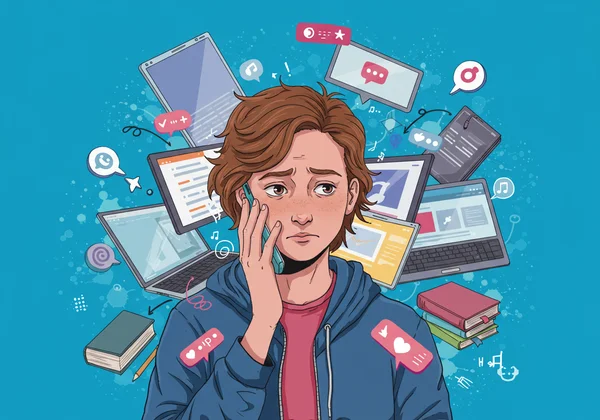
Social media presents a 24/7 highlight reel of their peers' lives, often leading to social comparison and a feeling of inadequacy. The fear of missing out (FOMO) is a real source of stress, and the potential for cyberbullying adds another layer of emotional risk. Navigating these complex online peer dynamics is a significant challenge for modern teens.
Family Environment & Life Transitions
A teen's home life provides the foundation for their emotional stability. Major life transitions, such as a move, a divorce, or the illness of a family member, can disrupt their sense of security and trigger anxiety. Even positive changes can be stressful. An environment with high conflict or unpredictable routines can also contribute to a teen's feelings of unease. Providing a stable and supportive home base can make a world of difference. For a preliminary look at how these stressors might be affecting your teen, a confidential assessment can be a useful starting point.
How Parents Can Offer Effective Support
Your role is not to "fix" your teen's anxiety but to support them as they learn to manage it. Your actions and words can create a safe space for them to open up and build resilience. The goal is to empower them with coping skills and the knowledge that they are not alone.
Fostering Open Communication & Active Listening
Create opportunities for conversation without pressure. Instead of asking "What's wrong?", try "I've noticed you seem a bit down lately, and I'm here if you want to talk." When they do share, practice active listening: put your phone away, make eye contact, and listen to understand, not to immediately offer solutions. Validate their feelings by saying things like, "That sounds really tough" or "I can see why you would feel that way."

Creating a Supportive & Predictable Home Environment
Structure and routine can be very calming for an anxious mind. A predictable home environment helps teens feel secure because they know what to expect. Simple things like having regular family dinners, consistent bedtimes, and clear expectations for chores can reduce ambient stress. Celebrate effort over outcomes to lessen performance anxiety and ensure they know your love is unconditional.
Encouraging Healthy Habits: Sleep, Nutrition & Exercise
The fundamentals of physical health are powerful tools for managing anxiety. Encourage a consistent sleep schedule, as sleep deprivation can significantly worsen anxiety symptoms. A balanced diet with limited caffeine and processed foods can help stabilize mood. Regular physical activity—even just a 20-minute walk—is one of the most effective ways to reduce stress hormones and boost mood-enhancing endorphins. These habits build a strong foundation for mental wellness. An anxiety screening tool can also provide insights that help start this conversation.
When & How to Seek Professional Help for Your Teen
Knowing when to step in and seek professional guidance is crucial. While your support is invaluable, some situations require the expertise of a mental health professional. Recognizing these signs and knowing how to act can ensure your teen gets the care they need.
Key Indicators Your Teen Needs Professional Support
If your teen's anxiety is interfering with their daily life—affecting their ability to go to school, maintain friendships, or participate in family activities—it's time to seek help. Other red flags include engaging in self-harm, talking about suicide, experiencing frequent panic attacks, or using substances to cope with their feelings. Trust your instincts; if you feel something is seriously wrong, it probably is.
Starting the Conversation with a Doctor or Therapist
Begin by talking to your family doctor or pediatrician. They can rule out any underlying medical issues and provide a referral to a mental health specialist, such as a psychologist or therapist. When talking to your teen, frame it as getting support, not as something being "wrong" with them. You could say, "I think it might be helpful to talk to someone who has great tools for handling stress. We can go together."
Utilizing Online Resources for Initial Understanding (Including our confidential test)
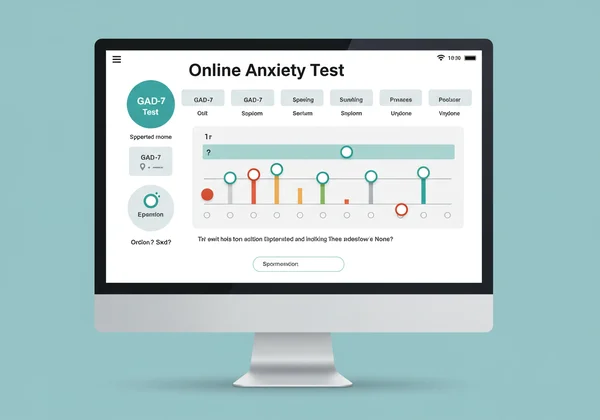
For many teens, the idea of talking to a stranger is intimidating. This is where a private, anonymous resource can be a powerful first step. Our online anxiety test tool is not a diagnostic instrument, but it is a scientifically-backed screening test based on the GAD-7 scale. It allows a teen to answer a few simple questions in complete privacy and get instant insights into their anxiety level. This can empower them with the language to describe their feelings and make the idea of seeking further help less scary. You can suggest they take the test on their own time, with no pressure.
Empowering Your Teen's Journey to Understanding Anxiety
Watching your teenager struggle with anxiety is heartbreaking, but you are their greatest advocate. By recognizing the symptoms, understanding the triggers, and providing a supportive environment, you can empower them on their journey toward mental wellness. Remember to validate their feelings, listen without judgment, and guide them toward the right resources when needed. The path forward starts with a single step—a conversation, a new coping strategy, or even a simple, private online quiz to understand their feelings better. You have the power to help them navigate this challenge and emerge stronger and more resilient.
Frequently Asked Questions About Teen Anxiety & Support
What's the difference between normal teen stress and anxiety?
Stress is typically a response to a specific, external trigger (like an upcoming exam) and subsides once the situation is resolved. Anxiety, on the other hand, is more persistent and internal. It's a feeling of worry, nervousness, or dread that can be present even without an obvious stressor and is often disproportionate to the actual situation.
How can I talk to my teenager about anxiety without them shutting down?
Approach the conversation with empathy and curiosity, not accusation. Use "I" statements, like "I've noticed..." instead of "You seem..." Avoid lecturing and focus on listening. Timing is also key—choose a calm, private moment when you won't be interrupted. Sharing your own struggles with stress can also make them feel less alone.
Is an online anxiety test suitable for teenagers, and how accurate is it?
An online anxiety test can be a great starting point for teenagers. It offers privacy and autonomy, which they value. While not a substitute for a professional diagnosis, a credible test like the one on our site, which is based on the GAD-7 scale, is a highly reliable screening tool. It can accurately indicate the severity of anxiety symptoms and help determine if professional help is needed. It’s a low-pressure way to begin a journey of self-awareness. You can learn more about our anxiety test here.
What should I do if my teen refuses help for anxiety?
This is a common and frustrating situation. Don't force the issue, as it can create more resistance. Instead, keep the lines of communication open and continue to offer your unconditional support. You can also seek guidance for yourself from a therapist on how to best support your child. Sometimes, introducing smaller steps, like using a free anxiety test, can feel more manageable for them than committing to therapy right away.