Situational Anxiety Symptoms, Examples, and How to Cope
Situational anxiety is anxiety that rises around a specific event, place, task, or transition. It may show up before a presentation, during travel, on a first day at a new job, or while waiting for an important conversation. The key pattern is that the anxiety has a clear trigger and often eases when the situation ends or becomes familiar. If you are trying to understand whether your anxiety feels tied to a situation or is part of a broader pattern, a quick anxiety self-check can help you organize what you are noticing without treating the result as a medical label.

What Situational Anxiety Means
Situational anxiety is a stress response linked to a specific circumstance. It can happen when the brain reads a moment as uncertain, high-stakes, unfamiliar, or connected to a past negative experience. The body may respond with alertness, faster breathing, muscle tension, sweating, or a strong urge to leave, even when there is no immediate physical danger.
This response is not automatically a mental health disorder. Feeling nervous before a driving test, job interview, medical appointment, date, exam, flight, or public performance is common. Anxiety becomes more concerning when it is intense, repeated, hard to recover from, or starts shaping your choices in ways that shrink daily life.
A useful question is not "Do I ever feel anxious in situations?" Most people do. A better question is "Does this specific trigger create distress or avoidance that interferes with my work, school, relationships, health care, travel, or ordinary responsibilities?"
Situational Anxiety Symptoms
Situational anxiety symptoms can be physical, emotional, cognitive, and behavioral. They may appear hours or days before the situation, peak during it, then fade afterward. Common signs include:
- A racing heart, tight chest, shaky hands, sweating, or stomach discomfort
- Shortness of breath, dry mouth, dizziness, nausea, or muscle tension
- Racing thoughts, worry about embarrassment, or repeated "what if" scenarios
- Trouble focusing, sleep disruption before the event, or irritability
- Avoidance, repeated reassurance-seeking, over-preparing, or leaving early
The same symptoms can also appear in panic attacks, generalized anxiety disorder, social anxiety disorder, specific phobias, trauma-related stress, medication effects, substance use, or medical issues. That is why patterns matter. If symptoms are new, severe, confusing, or accompanied by chest pain, fainting, or thoughts of self-harm, it is wise to seek professional or urgent support.
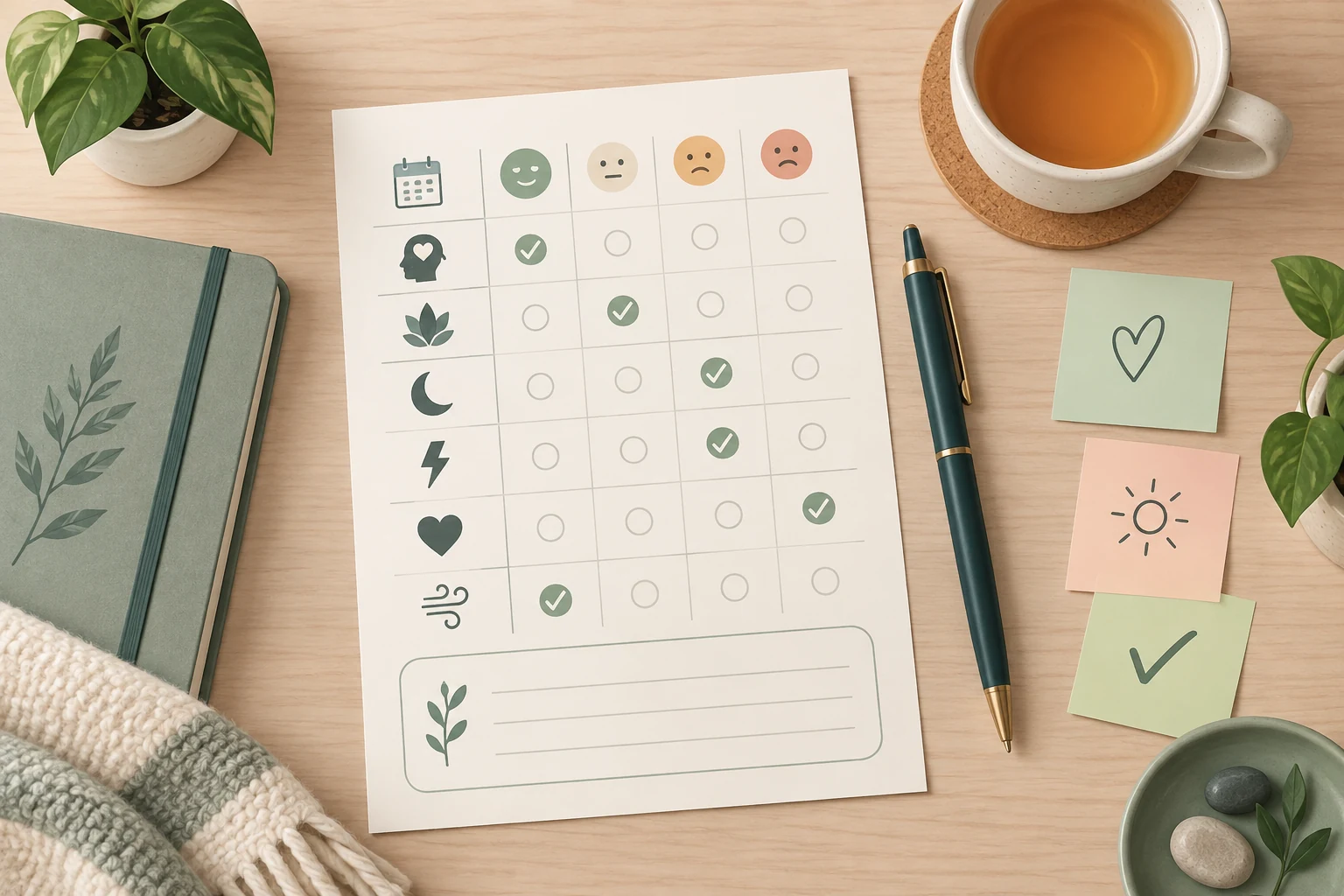
Tracking symptoms can make the pattern clearer. Write down the trigger, what happened in your body, what you feared might happen, what you did to cope, and how long it took to return to baseline. If you want a structured starting point, confidential anxiety screening can give you a severity snapshot to discuss or reflect on later.
Situational Anxiety Examples and Common Triggers
Situational anxiety examples usually share one feature: the anxiety is tied to a recognizable context. A person might feel mostly calm in daily life but become intensely nervous when asked to speak in a meeting. Someone else may function well at work but feel dread before flying, driving on highways, getting blood drawn, entering crowded rooms, meeting new people, or attending a family event.
Common triggers include:
- Performance moments, such as presentations, auditions, exams, interviews, or first dates
- Health care situations, such as dental work, injections, lab tests, or waiting for results
- Travel and location changes, such as flying, driving, hotels, elevators, or being far from home
- Social evaluation, such as parties, networking, public eating, or meeting authority figures
- Major life transitions, such as a new school, new job, move, wedding, birth, or breakup
The trigger does not have to seem "big" to someone else. Anxiety is shaped by learning, memory, personality, stress load, health, sleep, and context. A mild trigger can feel stronger when you are exhausted, under pressure, or already dealing with several life demands.
Situational Anxiety vs Generalized Anxiety Disorder and Social Anxiety
People often search for situational anxiety vs generalized anxiety disorder because the symptoms can overlap. The difference is usually the scope of the worry. Situational anxiety is anchored to a particular trigger or narrow set of triggers. Generalized anxiety disorder is typically broader and more persistent, with worry spreading across many areas of life such as health, money, work, family, responsibilities, or future events.
Situational anxiety vs social anxiety is a different comparison. Social anxiety centers on fear of negative evaluation in social or performance settings. Situational anxiety may be social, but it does not have to be. Fear before a party may overlap with social anxiety. Fear before flying, driving, medical procedures, or enclosed spaces may fit a different pattern.
The practical takeaway is to map the trigger. Ask:
- Is the anxiety tied to one event, one type of place, or one task?
- Does it happen across many unrelated parts of life?
- Is the main fear embarrassment, scrutiny, danger, uncertainty, loss of control, or physical symptoms?
- Do you avoid the situation, endure it with high distress, or recover once it ends?
These questions do not replace clinical assessment, but they can help you describe the pattern more clearly if you talk with a mental health professional.
DSM-5, ICD, and Situational Anxiety Diagnosis Questions
Situational anxiety is a common descriptive phrase, but it is not usually used as a standalone DSM-5 disorder name. A clinician may instead consider whether the pattern fits another category, such as a specific phobia, social anxiety disorder, panic disorder, generalized anxiety disorder, adjustment-related anxiety, trauma-related symptoms, or anxiety connected to a medical or substance-related factor.
The same idea applies to situational anxiety ICD questions. ICD coding generally depends on the clinical pattern, impairment, duration, and context rather than the everyday phrase "situational anxiety." For example, fear tied to a specific object or situation may be understood differently from worry that is widespread and difficult to control.
This distinction matters because the best support depends on the pattern. A person who panics only before flights may need a different plan than someone who worries all day about many responsibilities. A person avoiding social events because of fear of judgment may need a different approach than someone who fears elevators after a frightening experience.
Situational Anxiety Treatment Options and Medication Questions
Situational anxiety treatment often starts with understanding the trigger and reducing avoidance in a careful, realistic way. Many people benefit from cognitive behavioral strategies that identify catastrophic thoughts, test assumptions, and build a step-by-step plan for facing the situation. Exposure-based work can help when it is gradual, planned, and matched to the person's current capacity.
In-the-moment coping skills can also help. Slow breathing, grounding, muscle relaxation, mental imagery, and brief movement may reduce the intensity enough to stay present. The 3-3-3 rule is one simple grounding exercise: name three things you see, three sounds you hear, and move three parts of your body. It is not a complete plan, but it can interrupt spiraling attention during a stressful moment.
Situational anxiety medication questions are best handled with a licensed professional who knows your health history. Some medications are taken daily for broader anxiety patterns. Some are used only in limited situations. Benefits, side effects, dependence risk, medical conditions, alcohol or substance use, pregnancy, and other medications all matter. Medication should have a clear purpose, a clear plan, and follow-up.
Self-help is most useful when it supports real life rather than becoming another form of avoidance. Reading about anxiety can help, but practice matters: small exposures, realistic preparation, sleep, caffeine awareness, movement, social support, and honest reflection tend to build more confidence than endless reassurance searches.
A Practical Plan for the Next Trigger
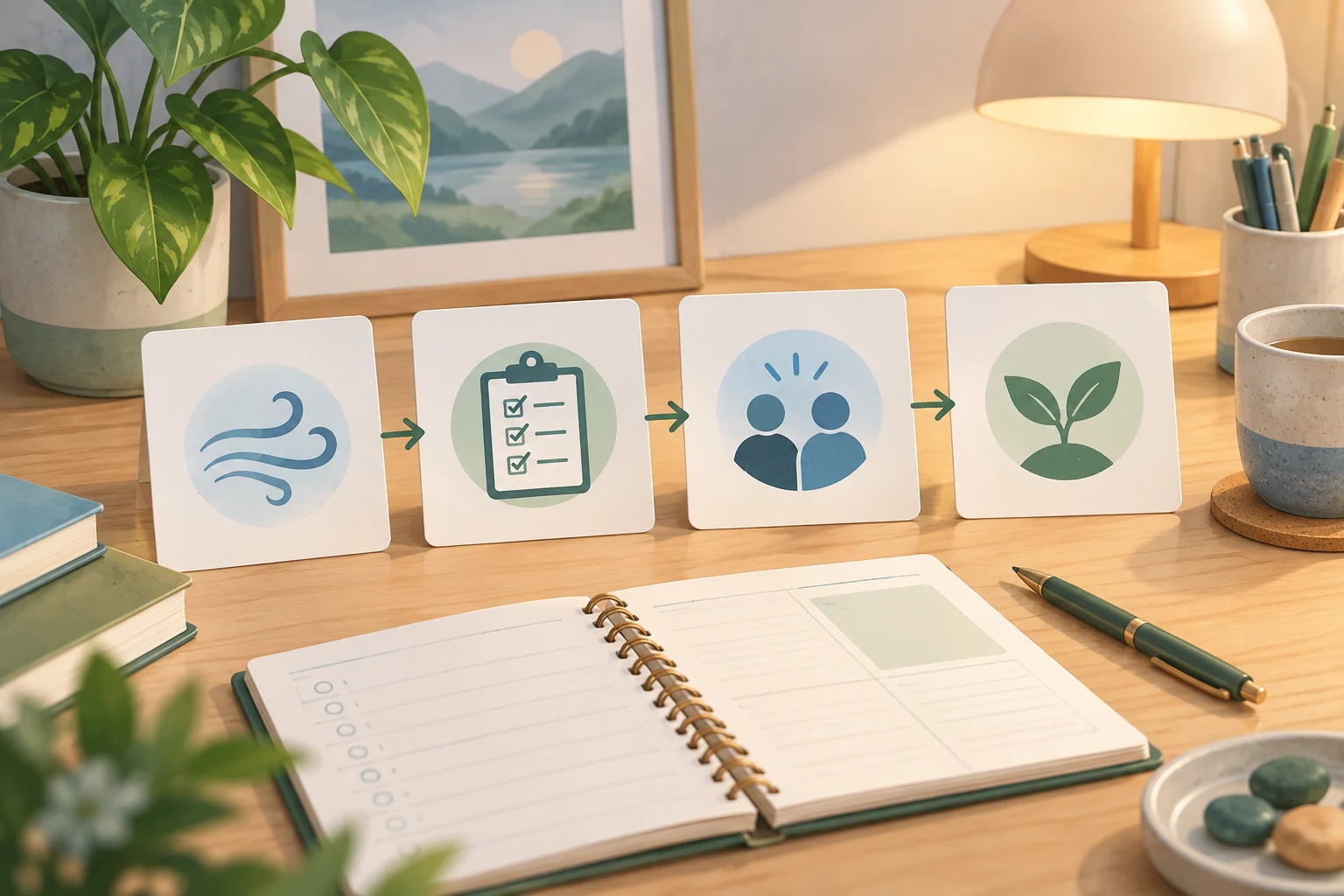
Before the situation, define the trigger clearly. Instead of "I am anxious about everything," write "I feel anxious about entering the meeting room and being asked a question." This makes the problem workable.
Next, prepare without over-preparing. Choose two or three useful actions: rehearse the opening line, pack what you need, plan transportation, or write down one coping phrase. Stop when preparation becomes a loop that keeps anxiety in charge.
Then create a graded exposure ladder. If public speaking is the trigger, the first step might be reading notes aloud alone. Later steps might include speaking to one trusted person, recording yourself, asking a question in a small meeting, then giving a short presentation. Each step should be challenging but possible.
During the situation, aim for steady participation, not perfect calm. Anxiety can be present while you still act according to your values. Afterward, review what actually happened, what you handled, and what you want to practice next. This turns the experience into data rather than a pass-or-fail event.
Using Situational Anxiety as a Self-Reflection Signal
Situational anxiety can feel disruptive, but it can also point to useful information. It may show where you need more preparation, more gradual practice, better rest, clearer boundaries, or professional support. The goal is not to never feel anxious. The goal is to understand the pattern well enough that one trigger does not quietly run your choices.
If your anxiety is intense, recurring, or spreading into more parts of life, consider talking with a licensed mental health professional. You can also use an anxiety severity snapshot as a low-pressure way to reflect on symptoms and decide what you may want to track, share, or ask about next.
FAQ
What are some examples of situational anxiety?
Examples include anxiety before public speaking, job interviews, first dates, exams, medical appointments, flying, driving, social events, elevators, or major life changes. The defining feature is that anxiety rises around a specific trigger and may ease when the trigger passes or becomes more familiar.
How long can situational anxiety last?
It can last minutes, hours, or days depending on the trigger and the person. Anticipatory anxiety may begin before the event, peak during it, and fade afterward. If anxiety continues long after the situation ends or starts appearing across many unrelated areas, it may be worth seeking professional guidance.
What is the 3-3-3 rule of anxiety?
The 3-3-3 rule is a grounding exercise. You name three things you see, three sounds you hear, and move three parts of your body. It can help bring attention back to the present moment, especially when worry is pulling you into imagined outcomes.
How do you beat situational anxiety?
A more realistic goal is to work with it and reduce its control over your behavior. Start by naming the trigger, tracking symptoms, challenging catastrophic thoughts, practicing gradual exposure, using grounding skills, and seeking support if avoidance or distress interferes with daily life.
Is situational anxiety the same as social anxiety?
Not always. Social anxiety focuses on fear of scrutiny or negative evaluation in social or performance settings. Situational anxiety can involve social situations, but it can also involve flying, driving, medical procedures, enclosed spaces, travel, or other non-social triggers.
Can situational anxiety involve panic attacks?
Yes, some people experience panic-like symptoms during a specific trigger. A panic attack can include intense fear, rapid heartbeat, shortness of breath, trembling, sweating, nausea, or feeling detached. If panic symptoms are new, severe, or medically concerning, seek appropriate medical support.
When should I get professional help for situational anxiety?
Consider professional help if anxiety causes avoidance, disrupts school or work, strains relationships, leads to substance use as a coping strategy, causes repeated panic, or makes ordinary responsibilities hard to complete. Support is also important if symptoms feel overwhelming or unsafe.