Personalized Anxiety Action Plan: From Test Results to Management
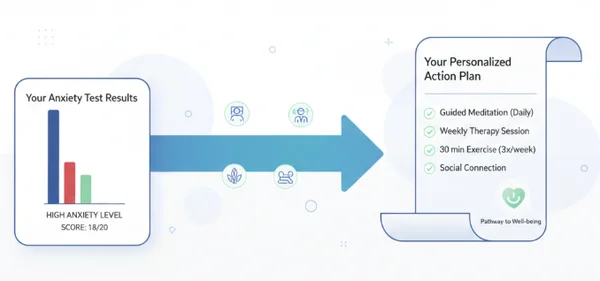
Your anxiety test score gives you concrete data to work with, but it is just the beginning. Many people feel a sense of relief when they finally see a number that validates their feelings. However, the real question remains: "What do I do now?"
To turn that test score into real change, you need a personalized plan. One that addresses your unique triggers and patterns. This guide will walk you through creating a customized anxiety management strategy using your test results as a foundation. We will provide practical steps for the 30, 60, and 90 days ahead.
Before you dive into the details, it is helpful to have a clear starting point. If you haven't done so yet, you should start your test to get your baseline score. Having this objective data will make the following steps much more effective for your personal growth.
Understanding Your Anxiety Test Results
Taking the first step to see your results is an act of courage. It moves anxiety from a vague, scary cloud into something measurable and manageable. Once you have your score, the next step is to understand what that data actually says about your daily life.
Decoding Your GAD7 Score: What the Numbers Mean
Most professional-grade screening tools, including clinically validated tools like ours, are based on the GAD7 scale. This is a questionnaire used by doctors and therapists worldwide. It measures the frequency of seven common symptoms over the past two weeks. You can find more details on how the GAD7 scale explained helps in clinical settings.
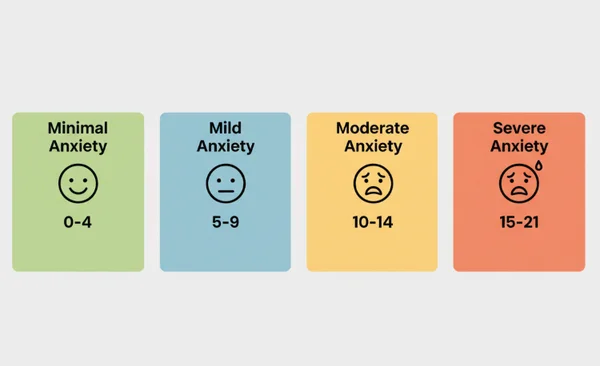
Typically, scores are grouped into four main categories:
-
0–4 (Minimal Anxiety): You may experience occasional stress, but it does not significantly interfere with your life.
-
5–9 (Mild Anxiety): You might feel "on edge" or worry more than usual. This is often the best time to start preventive habits.
-
10–14 (Moderate Anxiety): Your symptoms are likely affecting your work, social life, or sleep. A structured anxiety action plan is highly recommended here.
-
15–21 (Severe Anxiety): Your symptoms are intense and persistent. While self-help is great, this score suggests you should also speak with a healthcare professional.
Identifying Your Personal Anxiety Patterns and Triggers
A score tells you how much anxiety you feel. Identifying triggers tells you why. Triggers are specific situations, people, or physical sensations that set off your "fight or flight" response. To build a personalized anxiety management strategy, you must become a detective of your own life.
Common triggers include:
- Financial or workplace stress.
- Social gatherings or fear of judgment.
- Physical factors like caffeine, lack of sleep, or hunger.
- Intrusive thoughts about the future.
Start a simple log. Whenever you feel your heart race or your mind spiral, jot down what happened right before. Over time, you will see a pattern. Knowing your triggers allows you to prepare for them. You can then modify your environment to reduce their impact.
How AI Analysis Enhances Your Self-Awareness
Standard tests give you a number, but our online tool offers something more. By choosing the optional AI analysis, you get a deeper look into your specific situation. AI can help connect the dots between your reported symptoms and specific lifestyle challenges.
Reported restlessness and irritability? The AI will flag these. It then suggests tactics like physical movement or grounding techniques. This level of detail helps you move beyond generic advice. It provides a mirror for your mental health. This allows you to see strengths you might have overlooked while you were feeling overwhelmed.
Building Your 30-Day Anxiety Action Foundation
The first month of your plan is about stabilization. You don't need to fix everything at once. Instead, focus on building a safety net of habits that make you feel more in control. This is the stage where you begin your anxiety improvement tracking to see what works.
5-Minute Calming Techniques
To lower your baseline stress, you need "quick wins." These are simple techniques that can calm your nervous system in under five minutes.
-
The 333 Rule: When you feel overwhelmed, look around and name three things you see, three sounds you hear, and move three parts of your body. This grounds you in the present moment.
-
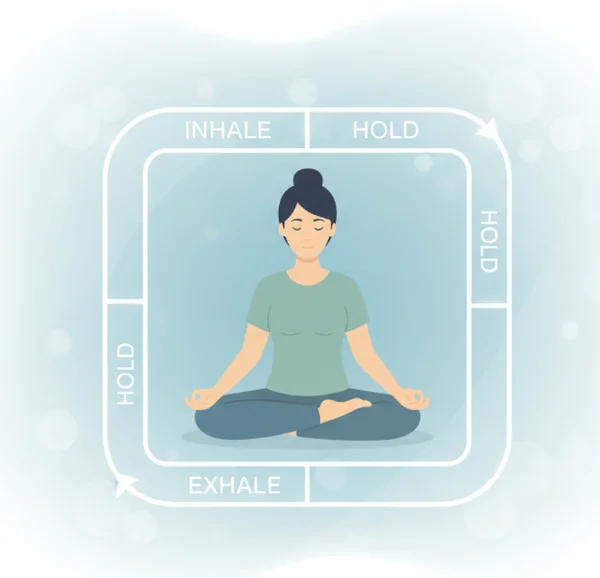
Box Breathing: Inhale for four seconds, hold for four, exhale for four, and hold for four. This sends a physical signal to your brain that you are safe.
-
Digital Detox: Limit your news and social media intake to 15 minutes a day. Constant information can keep your brain in a state of high alert.
Your First Week: Tracking Symptoms and Progress
During your first week, don't worry about "getting rid" of anxiety. Instead, focus on observing it. Use a journal or a note-taking app to record your daily anxiety level on a scale of 1 to 10.
When you check progress regularly, you start to notice that anxiety is not a constant state. It peaks and then it fades. Realizing that your feelings are temporary is a powerful realization. It takes away the fear that you will feel this way forever.
Creating a Personalized Anxiety Toolkit
An anxiety toolkit is a collection of resources you can turn to when things get tough. Everyone's toolkit looks different. Yours might include:
- A specific playlist of calming music.
- A "comfort object" or a specific scent, like lavender oil.
- A contact list of two people you can call who won't judge you.
- A written reminder of your "why"—the reason you want to manage your anxiety.
Having this toolkit ready means you don't have to think when you are panicking. You simply follow the plan you created when you were calm.
Expanding to 60 and 90-Day Strategies
Once you have established your 30-day foundation, it is time to look at the bigger picture. Long-term management is about changing how you relate to your thoughts and how you live your life.
Deepening Your Coping Mechanisms
In the second month, move from "calming down" to "working through." This involves techniques often used in Cognitive Behavioral Therapy (CBT). You can start practicing "thought challenging." When an anxious thought arises—like "I'm going to fail this project"—ask yourself:
- Is there evidence this is true?
- Is there evidence this is not true?
- What would I tell a friend who had this thought?
Questioning your thoughts weakens their hold. Soon, you’ll see them for what they are: fleeting mental events, not facts.
Lifestyle Adjustments for Lasting Change
By the 90-day mark, your goal is to make your body and mind more resilient. This is where lifestyle changes become vital. Small, consistent shifts in your routine can have a massive impact on your chemical balance.
- Sleep Hygiene: Aim for a consistent sleep schedule. Anxiety and sleep deprivation create a vicious cycle.
- Movement: You don't need to run a marathon. Even a 20-minute walk can help burn off excess cortisol.
- Nutrition: Reduce high-sugar foods and excessive caffeine. These can mimic the physical symptoms of a panic attack.
When to Consider Professional Support
A self-managed plan is incredibly powerful, but it is not a replacement for professional care if your symptoms remain high. If you take a test after 90 days and your score is still in the "Moderate" or "Severe" range, it may be time to consult a therapist or a doctor.
Professional support provides you with more advanced tools. In some cases, medical intervention can make your self-help efforts more effective. Seeking help is not a sign of failure. It is a strategic decision for your long-term health.
Your Journey to Better Anxiety Management Begins Now
Managing anxiety is not about reaching a finish line where you never feel stressed again. It is about building a life where anxiety no longer makes the decisions for you. By using your initial score as a guide, you have already taken the hardest step.
Keep these guiding principles in mind:
- Knowledge is Power: Understand your score and your triggers to remove the mystery of your symptoms.
- Start Small: Focus on the first 30 days. Simple breathing and grounding exercises build the foundation for everything else.
- Consistency Matters: Tracking your progress and adjusting your plan over 90 days creates lasting neurological change.
Regaining control starts with small, consistent steps. To stay on track with your anxiety action plan, we recommend that you start your test once every few weeks. This helps you monitor your progress and see how your scores improve as you implement these strategies.
The Takeaway
How often should I retake my anxiety test to track progress?
It is generally helpful to retake a free anxiety test every 2 to 4 weeks. This timeframe is long enough to see the effects of your new habits. However, it is frequent enough to keep you motivated. If you are going through a particularly stressful life event, you might want to check in more often to see how you are coping.
Can I modify this plan if certain strategies aren't working for me?
Yes, absolutely. A personalized anxiety management plan should be flexible. Mental health is not "one size fits all." If deep breathing makes you feel more anxious, try physical exercise or grounding techniques instead. You can also explore specialized assessments like a social anxiety test if your triggers are specific to social settings. The goal is to find what works for your unique brain and body.
When should I seek professional help versus managing anxiety independently?
If your anxiety prevents you from performing basic tasks, you should seek professional help immediately. This includes difficulty going to work, leaving the house, or maintaining relationships. Additionally, if you have thoughts of self-harm, please contact a crisis hotline or a healthcare provider right away. You can use your anxiety score as a talking point when you meet with a professional. It will help them understand what you've been experiencing.
How do I know if my anxiety management plan is effective?
Effectiveness isn't just about a lower score, though that is a great sign. You know your plan is working when:
- Your "spikes" of anxiety happen less often.
- When they do happen, you recover more quickly.
- You feel more confident in your ability to handle stressful situations.
- You spend less time worrying about the feeling of anxiety itself.