Child Anxiety Test: Free Online Screening for Early Signs
Is your child struggling with overwhelming worries? It's tough watching your kid struggle with fear or stress, and we get it. Figuring out the difference between normal jitters and something more is a huge concern for so many parents. This guide is here to help you spot the signs of anxiety in children. We'll cover the early signs of child anxiety. You'll also learn how our free screening tool can offer initial insights. And we'll map out the next steps for your child's well-being.
Understanding your child's feelings is the first step toward helping them. While not a diagnostic tool, a simple screening can provide a clearer picture of what they might be experiencing. If you are looking for a starting point, you can try our free tool to gain confidential insights.
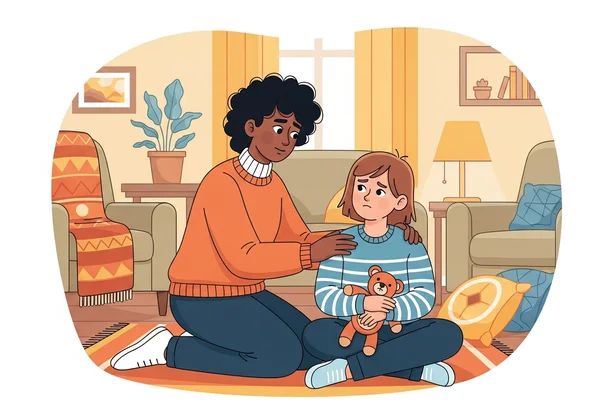
Recognizing Common Child Anxiety Symptoms by Age
Anxiety doesn't look the same in every child. How it appears often depends on their age and developmental stage. Understanding these differences can help you identify potential concerns more effectively.
How Anxiety Manifests in Young Children (Ages 5-7)
In younger children, anxiety often shows up in their behavior and body because they haven't yet developed the vocabulary to express complex emotions. You might notice more physical complaints or behavioral shifts than direct verbal expressions of worry.
Common signs include:
- Separation Anxiety: Intense distress when separated from a parent, beyond what is typical for their age.
- Physical Symptoms: Frequent stomachaches, headaches, or nausea with no clear medical cause.
- Sleep Disturbances: Difficulty falling asleep, frequent nightmares, or waking up in the night.
- Avoidance: A strong refusal to go to school, attend playdates, or participate in new activities.
- Irritability and Tantrums: Seemingly unprovoked emotional outbursts or being easily upset.
Anxiety Signs in School-Aged Kids (Ages 8-12)
As children get older, their anxieties can become more specific and cognitive. Worries about school performance, friendships, and their place in the world start to emerge. They may be better at hiding their feelings, making observation key.
Look for these signs:
-
Excessive Worry: Constant concern about grades, friendships, family issues, or future events.
-
Perfectionism: An intense fear of making mistakes, leading to spending too much time on homework or avoiding new challenges.
-
Social Withdrawal: Avoiding social situations, having few friends, or seeming overly shy and quiet.
-
Reassurance Seeking: Repeatedly asking questions like, "Are you sure you'll be back on time?" or "Will I be okay?"
-
Changes in Eating Habits: A noticeable increase or decrease in appetite.
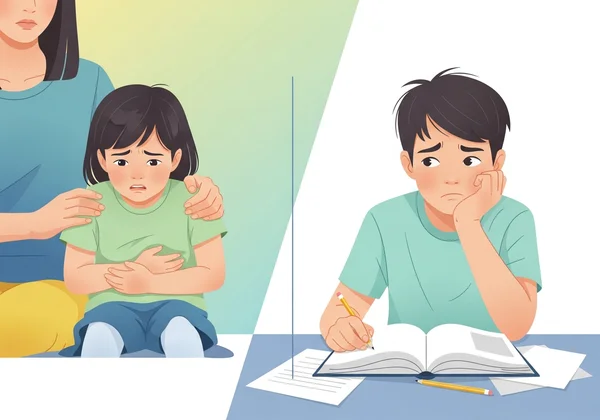
Physical vs. Emotional Symptoms to Watch For
It's helpful to categorize symptoms to get a full picture of your child's experience. Sometimes, the physical signs are the first things a parent notices, while the emotional signs may be more hidden.
-
Physical Symptoms:
- Feeling tired or fatigued often
- Headaches or migraines
- Stomach pain, cramps, or digestive issues
- Restlessness, fidgeting, or an inability to sit still
- Racing heart or shortness of breath
-
Emotional Symptoms:
- Feeling irritable or on edge
- Difficulty concentrating or mind going blank
- Uncontrollable feelings of worry
- Crying spells or being easily overwhelmed
- A sense of dread or fear about everyday situations
Spotting Early Warning Signs & Triggers in Kids
Catching anxiety early can make a significant difference in a child's life. This involves learning to separate everyday worries from more serious anxiety and identifying what might be triggering these feelings.
Differentiating Normal Childhood Worries from Anxiety
All children worry. It's a normal part of growing up. They might worry about a monster under the bed, a test at school, or a disagreement with a friend. The key difference between normal worry and a potential anxiety disorder lies in intensity, duration, and impact.
Normal worry is typically:
- Temporary: It comes and goes and is usually tied to a specific situation.
- Proportional: The level of fear matches the situation.
- Manageable: The child can still function at school, at home, and with friends.
Anxiety, on the other hand, is often:
- Persistent: The worry is ongoing and doesn't easily go away.
- Excessive: The reaction is much bigger than the actual situation warrants.
- Disruptive: It interferes with their daily life, affecting schoolwork, friendships, or family activities.
Common Triggers for Child Anxiety
A trigger is any event or situation that can cause anxious feelings to surface. While triggers are unique to each child, some are quite common. Understanding these can help you anticipate and manage challenging situations.
Common triggers include:
- School Pressures: Worries about homework, exams, public speaking, or social dynamics.
- Family Stress: Conflict at home, the illness of a family member, divorce, or financial stress.
- Significant Life Changes: Moving to a new town, changing schools, or the birth of a sibling.
- Social Situations: Parties, meeting new people, or feeling pressure to fit in.
- Scary Events: Witnessing an accident, watching a scary movie, or hearing about frightening news stories.
Your Free & Confidential Child Anxiety Screening Tool
After observing potential signs, many parents wonder, "What's the next step?" A screening tool can be an excellent, low-pressure way to gather more information. It helps organize your observations and provides a clearer, more objective look at the situation.
How Our Adapted Test Can Provide Initial Insights
Our free anxiety test is a screening tool that helps you put a number to your child's symptoms. It's based on proven scales like the GAD-7 and asks about common anxiety symptoms over the last two weeks. The result isn’t a diagnosis, but a snapshot of their current anxiety level. It gives a starting point to understand their struggles. Ready for insights? Get initial insights.
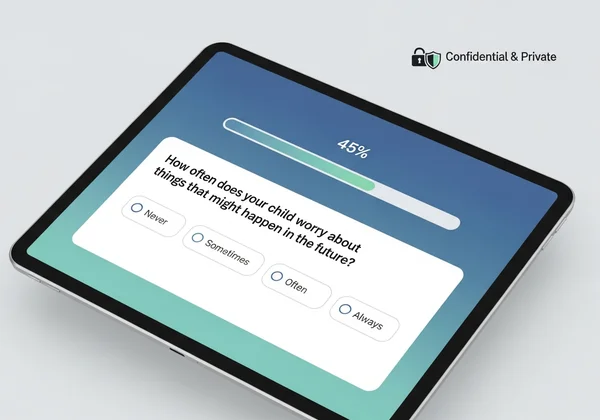
The Importance of Confidentiality & Privacy for Your Family
We understand that your family's privacy is paramount. That's why our tool is designed to be completely anonymous and confidential. You do not need to register, create an account, or provide any personal information like names or email addresses. The entire process is secure and private, allowing you to explore your concerns without fear of judgment or data collection. Your peace of mind is our priority.
What to Expect from Your Child's Screening Results
Once you complete the short questionnaire, you will instantly receive a score. This score will fall into a range, such as low, moderate, or high, along with a brief explanation of what that level of anxiety might mean. Think of this result as a compass, not a map. It points you in a direction, suggesting whether your child's symptoms are mild and manageable or if it might be time to consider seeking professional advice. For those interested, an optional AI-powered analysis can offer even deeper, personalized insights.
A gentle reminder: This article and our screening tool are for informational purposes only and do not constitute medical advice. The test is a screening instrument, not a diagnostic one. Please consult a qualified healthcare professional, such as your pediatrician or a child psychologist, for any health concerns.
When and How to Seek Professional Help for Child Anxiety
If a screening test indicates a moderate to high level of anxiety, or if your gut tells you something is wrong, seeking professional help is a proactive and loving step.
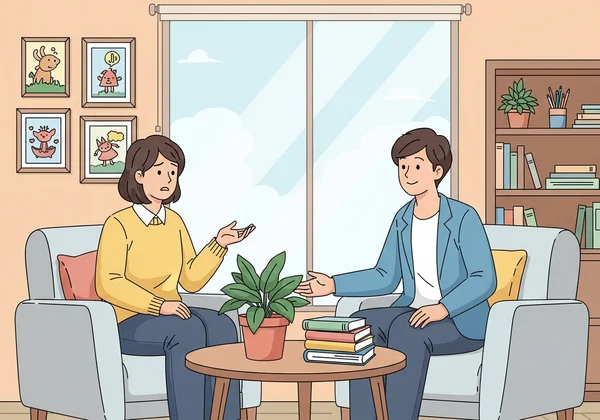
Interpreting a High Score: Next Steps for Parents
Seeing a high score can be alarming, but try not to panic. A high score just confirms your worries are real. It's your cue to talk to a pro. Use the result as a tool to open a conversation. It gives you concrete data to share, which makes that first chat with a doctor or therapist much more productive.
Types of Professional Support Available for Children
There are several avenues for professional support, and finding the right fit is key.
- Pediatrician: Your child's primary doctor is often the best first point of contact. They can rule out any underlying medical issues and provide a referral to a mental health specialist.
- School Counselor: School counselors are trained to help with academic and social-emotional issues and can be a great resource within the school environment.
- Child Psychologist or Therapist: These specialists are experts in child mental health. They can provide a formal diagnosis and offer evidence-based therapies like Cognitive Behavioral Therapy (CBT), which is highly effective for anxiety.
Preparing to Discuss Anxiety with Your Pediatrician
Being prepared for your appointment can help you make the most of your time and ensure your concerns are heard.
- Write Down Your Observations: Make a list of the specific symptoms you've noticed—both physical and emotional.
- Note the Frequency and Duration: How often do these symptoms occur? How long have you been noticing them?
- Bring the Screening Results: Share the score from the online anxiety test as a summary of your observations.
- Prepare Questions: Write down questions you have, such as "What are the next steps?" or "Can you recommend a specialist?"
Take the Next Step for Your Child's Peace of Mind
Tackling anxiety with your child is a journey, and just by being here, you've taken the most important step. Spot those signs, know worry from real anxiety, and figure out when to get help. These are your go-to moves as a parent. Remember, you're not alone in this, and support is out there for both of you.
You've got this—spotting signs early and chatting with a pro can change everything for your kid. An online screening is a simple, private first step to get clarity. It helps turn those vague worries into something you can act on, setting you up for a good conversation with a professional if you need one.
Are you ready to better understand your child's emotional world? Start your test now to get free, instant, and confidential insights.
Frequently Asked Questions About Child Anxiety Screening
Does my child have anxiety?
Only a qualified healthcare professional can diagnose an anxiety disorder. However, observing persistent symptoms like excessive worry, avoidance of social situations, and frequent physical complaints (like stomachaches) that interfere with their daily life are strong indicators that it's time to investigate further.
How can I test my child for anxiety?
While you cannot diagnose anxiety at home, you can use a screening tool to get a better sense of their symptom levels. A resource like the free anxiety screening on our site is a great starting point. It provides an objective score based on your answers to a series of simple questions about your child's recent behaviors and feelings.
What are common signs of anxiety in children?
Common signs include physical symptoms like headaches and stomachaches, emotional symptoms like irritability and constant worry, and behavioral changes like avoiding school, having trouble sleeping, or seeking constant reassurance from parents.
How accurate is an online child anxiety screening?
Tools like ours use proven scales (like the GAD-7). They're reliable for spotting symptoms that need a closer look. They aren't a diagnosis, but they are very accurate at flagging potential concerns, which makes them a great first step for parents.
What if my child's anxiety screening score is high?
A high score is a signal to consult a professional, such as your pediatrician or a child therapist. It is not a reason to panic but rather a helpful piece of information that can guide you toward getting your child the right support. Use the results to start a conversation with a healthcare provider.